 English
 Russian
 French
 Spanish
 Portuguese
 Arabic
 Vietnamese
 Turkish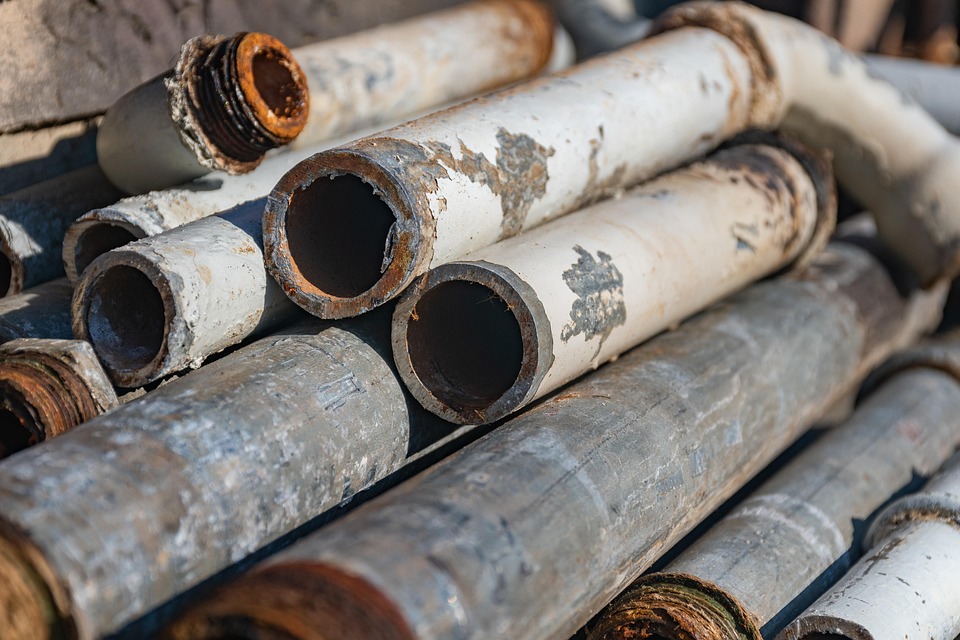
Alloy
A high-tech enterprise focusing on the development and application of X-ray technology products, committed to becoming a leading supplier of X-ray industrial testing solutions.
What is Handheld XRF? A Beginner's Guide to This Powerful Analyzer
Imagine having the ability to know the exact chemical makeup of an object within seconds—without damaging it, and while holding the entire laboratory in the palm of your hand. It sounds like science fiction, but it’s a reality made possible by a remarkable piece of technology: the handheld XRF analyzer.
If you're in industries like scrap metal recycling, mining, manufacturing, or even art conservation, you might have heard this term. But what exactly is it, how does it work, and why is it such a game-changer? Let’s break it down.
XRF: The Science in Simple Terms
First, the acronym: XRF stands for X-ray Fluorescence.
Don't let the complex name intimidate you. The basic principle is beautifully straightforward:
The device emits a safe, low-level X-ray beam onto the sample (a piece of metal, a soil sample, a painting, etc.).
These X-rays excite the atoms in the sample, causing them to release their own unique, secondary X-rays—this release is called "fluorescence."
The analyzer’s detector "listens" to these fluorescent X-rays.
A tiny computer inside the device analyzes this signal. Because every element on the periodic table (like gold, iron, lead, or copper) emits a unique fluorescent "fingerprint," the device can identify which elements are present and in what quantities.
In essence, a handheld XRF is a portable elemental translator. It tells you the "what" and "how much" of the material you're testing.

Why "Handheld" is the Revolutionary Part
XRF technology itself has been used in labs for decades. The true revolution was miniaturizing it into a rugged, battery-powered device you can carry anywhere.
Think about the alternatives:
Sending samples to a lab: This takes days or weeks, costs money per sample, and means you’re making decisions based on old information.
Using destructive testing: This involves cutting, grinding, or dissolving the sample. It’s slow, destroys your product, and isn't always practical.
A handheld XRF removes these barriers. You get instant, non-destructive results on the spot—at the scrap yard, on the mine face, on the production line, or in a museum gallery.
What Can It Actually Be Used For? (Spoiler: A Lot!)
The applications are incredibly diverse:
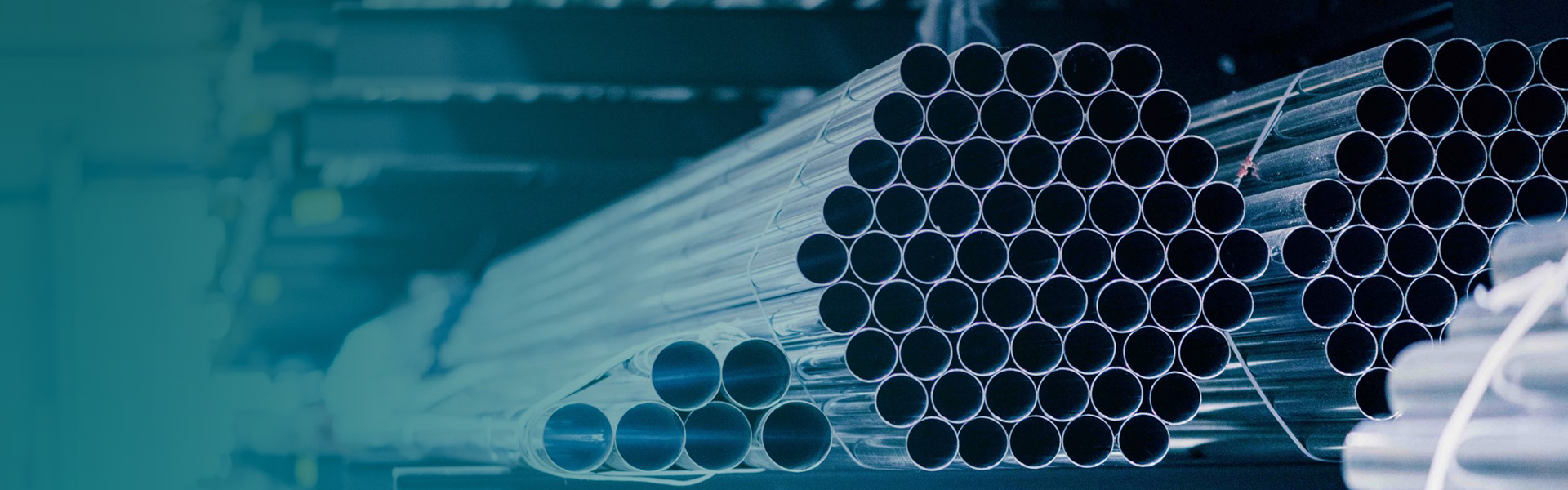
Scrap Metal Recycling: Instantly identify alloy grades (like 304 vs. 316 stainless steel) and detect tramp elements to sort metals accurately and maximize profit.
Mining & Exploration: Perform real-time geochemical analysis in the field to guide drilling, map ore grades, and make critical decisions without leaving the site.
Quality Control & Positive Material Identification (PMI): In manufacturing and oil & gas, verify that incoming materials and installed pipes/valves are made of the correct alloy to prevent catastrophic failures.
Environmental Testing: Screen soil for heavy metal contaminants like lead, arsenic, and mercury quickly and efficiently for site assessments.
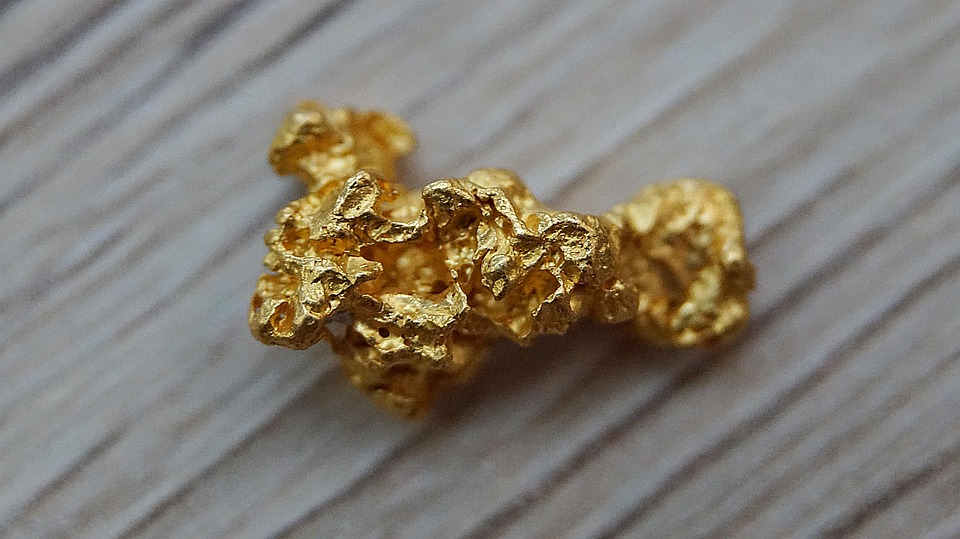
Art & Archaeology: Authenticate artifacts and paintings by analyzing their elemental composition (pigments, metals) without taking a single sample.
Key Benefits: Why Businesses Love Handheld XRF
Speed: Results in several seconds. Make hundreds of sorting or testing decisions per hour.
Non-Destructive: Test valuable items, finished products, or historical objects without damaging them.
Portability: Take the lab to the sample, not the other way around. Work in remote or challenging environments.
Ease of Use: Modern devices feature intuitive touchscreen interfaces. Operators can be trained to get reliable results in a matter of hours.
Data Management: Results are stored digitally, creating instant, auditable reports for traceability and compliance.
Important Considerations for Beginners
It's a Surface Technique: It analyzes the top few millimeters of a material. A clean, representative sample surface is crucial for accurate results.
It Measures Elements, Not Compounds: It can tell you there’s iron (Fe) and oxygen (O) present, but it won’t tell you it's specifically Fe₂O₃ (hematite). The user often interprets the elemental data into a material type.
Safety: Handheld XRF creates radiation, but modern devices are designed with exceptional safety features (like automatic beam shut-offs). With proper training and adherence to guidelines, they are safe to operate.
Getting Started
If you think a handheld XRF could solve problems for you, the next steps are to:
Clearly define your testing needs (What materials? What elements? What accuracy?).
Contact a reputable manufacturer or supplier. They can provide demonstrations and often test your actual samples.
Ask about training, software, calibration, and support. The device is a tool, and having the right ecosystem around it is key to success.
Accuracy, efficiency, convenience, and affordability—the Pi 900E Portable Alloy Analyzer delivers it all. Designed for professionals across industries, it uses advanced XRF technology to provide precise, real-time elemental analysis, from potassium to uranium. Lightweight, rugged, and user-friendly, with Wi-Fi connectivity and multi-application calibration, it’s the reliable field solution for scrap metal, quality control, and lab analysis.
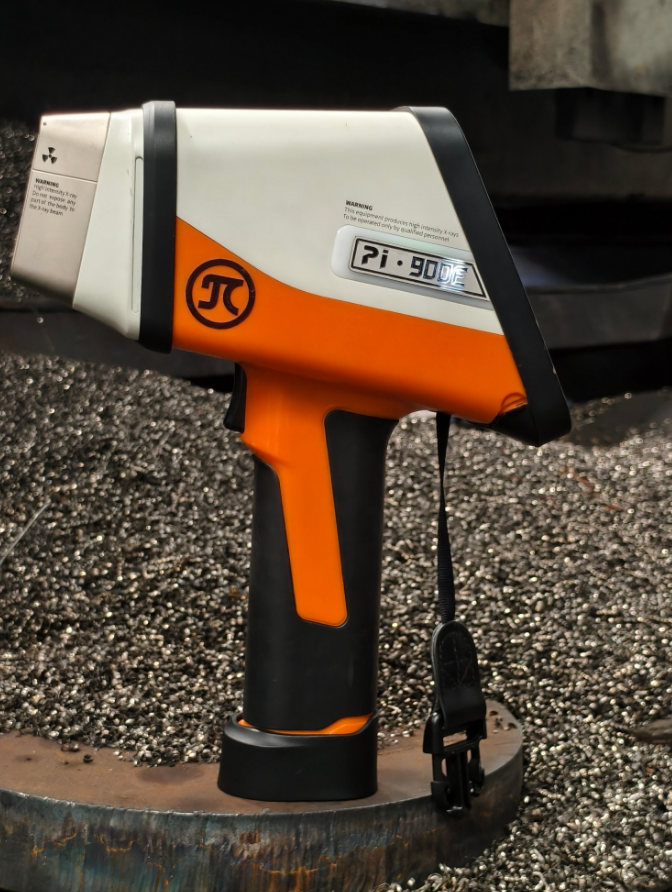
Terras Pi900E Handheld Alloy Analyzer
The Bottom Line
A handheld XRF analyzer is more than just a fancy gadget. It’s a powerful decision-making tool that brings the power of laboratory-grade chemical analysis into the field. By providing immediate elemental insights, it saves time, boosts profitability, enhances safety, and solves problems across a stunning range of fields.
Whether you’re keeping toxic lead out of consumer products, finding a multi-million-dollar ore deposit, or ensuring the integrity of an aerospace component, handheld XRF puts the answers literally at your fingertips.
About Terra Scientific
Terra Scientific is a high-tech manufacturer specializing in the development and application of X-ray technology products. We are committed to becoming a world-class provider of X-ray industrial inspection solutions. Terra Scientific currently offers a range of products to global customers, including handheld alloy analyzer, handheld precious metal analyzer, handheld mining analyzer, benchtop precious metal analyzers, in-line analyzer, and spectrometer modules, along with XRF analyzers. We continuously serve global clients in fields such as mechanical manufacturing, metal processing, aerospace, petrochemicals, mining and geology, food safety, environmental protection, and scientific research.
To learn more, please don't hesitate to contact us via email at sales@terra-scientific.com, or visit our website at http://www.terra-scientific.com
Join Us
Subscribe to our email list for updates & promotions.