 English
 Russian
 French
 Spanish
 Portuguese
 Arabic
 Vietnamese
 Turkish
Alloy
A high-tech enterprise focusing on the development and application of X-ray technology products, committed to becoming a leading supplier of X-ray industrial testing solutions.
Understanding the Metal Spectrum Analyzer: Your Guide to Alloy Verification
Introduction: The Quest for Metal Purity and Identity
In the world of manufacturing, scrap metal recycling, aerospace engineering, and even archaeology, one question reigns supreme: What is this metal made of? The answer isn't always as simple as checking a label. Whether you're verifying the grade of incoming stainless steel for a critical weld, sorting high-value scrap, or ensuring a historical artifact isn't a forgery, accurate alloy verification is crucial. For decades, this required time-consuming lab analysis. Today, the solution is often in the palm of your hand: the Metal Spectrum Analyzer.
What is a Metal Spectrum Analyzer?
At its core, a metal spectrum analyzer is a portable, handheld device that uses X-ray Fluorescence (XRF) technology to determine the elemental composition of a material within seconds. By exposing a sample to X-rays, the device causes the atoms in the metal to emit their own unique fluorescent X-rays. The analyzer's detector "reads" this fluorescent spectrum—like a fingerprint for elements—and instantly calculates the percentages of each alloying element present.
Think of it as a high-tech metal detective that can distinguish between 304 and 316 stainless steel, identify a brass as C36000 vs. C27200, or detect trace amounts of lead in a supposedly pure copper item.

How Does It Work? A Quick Science Dive
Excitation: The device emits a safe, focused beam of X-rays onto the metal sample.
Emission: Atoms in the sample absorb this energy, become temporarily excited, and then emit secondary (fluorescent) X-rays as they return to a stable state.
Detection: The spectrometer inside the analyzer measures the energy and intensity of these fluorescent X-rays.
Analysis: Sophisticated software compares the detected spectrum against a massive library of alloy fingerprints, providing a clear readout of the elemental makeup and likely alloy grade.
Key Applications: Where This Tool is Indispensable
Quality Control & Material Verification:
In manufacturing, using the wrong alloy can lead to catastrophic failures. Spectrum analyzers are used at receiving docks, on production floors, and before critical fabrication to ensure materials match their certifications (e.g., verifying Inconel 625 for a jet engine part or confirming low-carbon steel for a pressure vessel).
Scrap Metal Sorting & Recycling:
Maximizing profit in scrap means accurate sorting. Is that shiny piece nickel silver or sterling silver? Is that "stainless" actually high-value molybdenum-bearing 316? An analyzer provides instant, definitive answers, preventing costly mistakes and ensuring pure, high-value scrap streams.
Positive Material Identification (PMI):
A critical safety procedure in oil & gas, chemical plants, and power generation. PMI verifies that pipes, valves, and fittings in corrosive or high-pressure environments are made from the specified corrosion-resistant alloys, preventing leaks and accidents during operation.
Benefits of Using a Handheld Analyzer
Portability: Carry it anywhere—from a dusty scrap yard to a tight engine room.
Non-Destructive Testing (NDT): Analyze materials without cutting, drilling, or damaging them.
Ease of Use: Modern devices feature intuitive touchscreens, simple point-and-shoot operation, and clear, pass/fail results.
Data Management: Wirelessly transfer results to cloud platforms for traceability, reporting, and creating certificates of analysis.
Choosing the Right Analyzer: What to Consider
Not all analyzers are created equal. Key considerations include:
Elemental Range: Can it detect light elements (like Magnesium, Aluminum, Silicon) crucial for aluminum and titanium alloys, or is it optimized for heavier elements?
Accuracy & Detection Limits: Needed precision for your critical elements (e.g., low-level carbon detection often requires specialized lab equipment, but analyzers are excellent for most other alloying elements).
Environmental Durability: Is it built for rough industrial use with an IP54 rating or higher?
Software & Libraries: Does it have comprehensive, updatable alloy libraries for your specific industry (e.g., aerospace superalloys, copper alloys, stainless steels)?
Our state-of-the-art portable analyzer delivers accurate, reliable, and instant elemental analysis in a compact, user-friendly design. Ideal for professionals across industries, the Pi 900E leverages advanced XRF technology to identify a wide range of alloys—from stainless steel and titanium to aluminum—in seconds. With real-time data display, seamless Wi-Fi connectivity, and broad elemental detection (K to U), it supports applications from scrap sorting to quality control. Its rugged, ergonomic build ensures durability and ease of use, even in demanding environments.
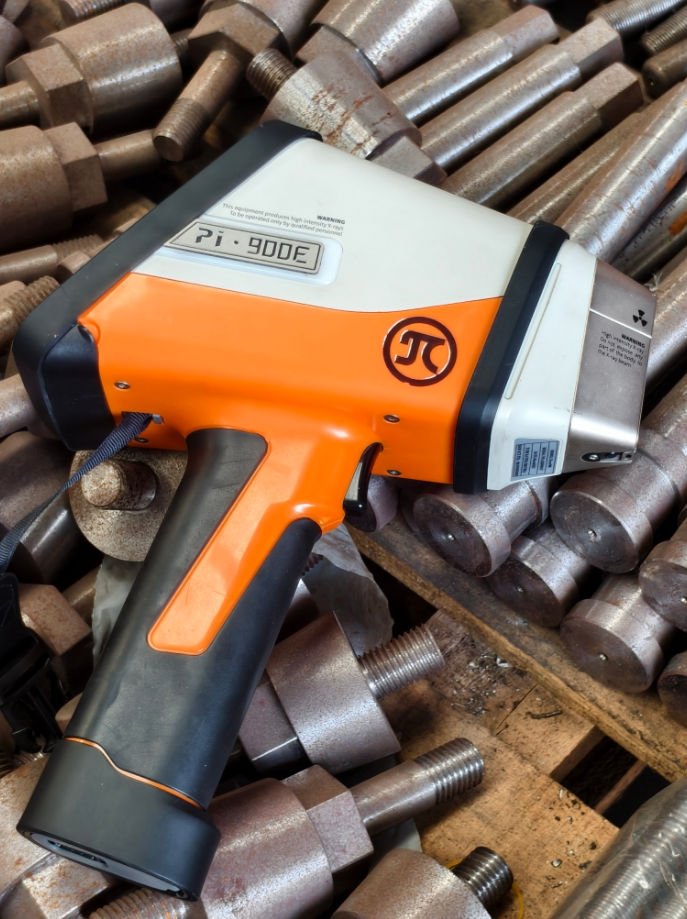
Terras Pi900E Handheld Alloy Analyzer
Conclusion: Empowering Precision in a Metallic World
The handheld metal spectrum analyzer has revolutionized how we interact with and understand the materials that build our world. It has democratized access to precise chemical data, moving it from the exclusive domain of the laboratory to the front lines of industry. By providing instant, reliable alloy verification, this powerful tool ensures safety, guarantees quality, protects investments, and unlocks the true value of materials.
Whether you're a plant manager, a scrap dealer, or a curious engineer, mastering this technology is key to navigating the complex and valuable spectrum of metals with confidence.
About Terra Scientific
Terra Scientific is a high-tech manufacturer specializing in the development and application of X-ray technology products. We are committed to becoming a world-class provider of X-ray industrial inspection solutions. Terra Scientific currently offers a range of products to global customers, including handheld alloy analyzer, handheld precious metal analyzer, handheld mining analyzer, benchtop precious metal analyzers, in-line analyzer, and spectrometer modules, along with XRF analyzers. We continuously serve global clients in fields such as mechanical manufacturing, metal processing, aerospace, petrochemicals, mining and geology, food safety, environmental protection, and scientific research.
To learn more, please don't hesitate to contact us via email at sales@terra-scientific.com, or visit our website at http://www.terra-scientific.com
Join Us
Subscribe to our email list for updates & promotions.