 English
 Russian
 French
 Spanish
 Portuguese
 Arabic
 Vietnamese
 Turkish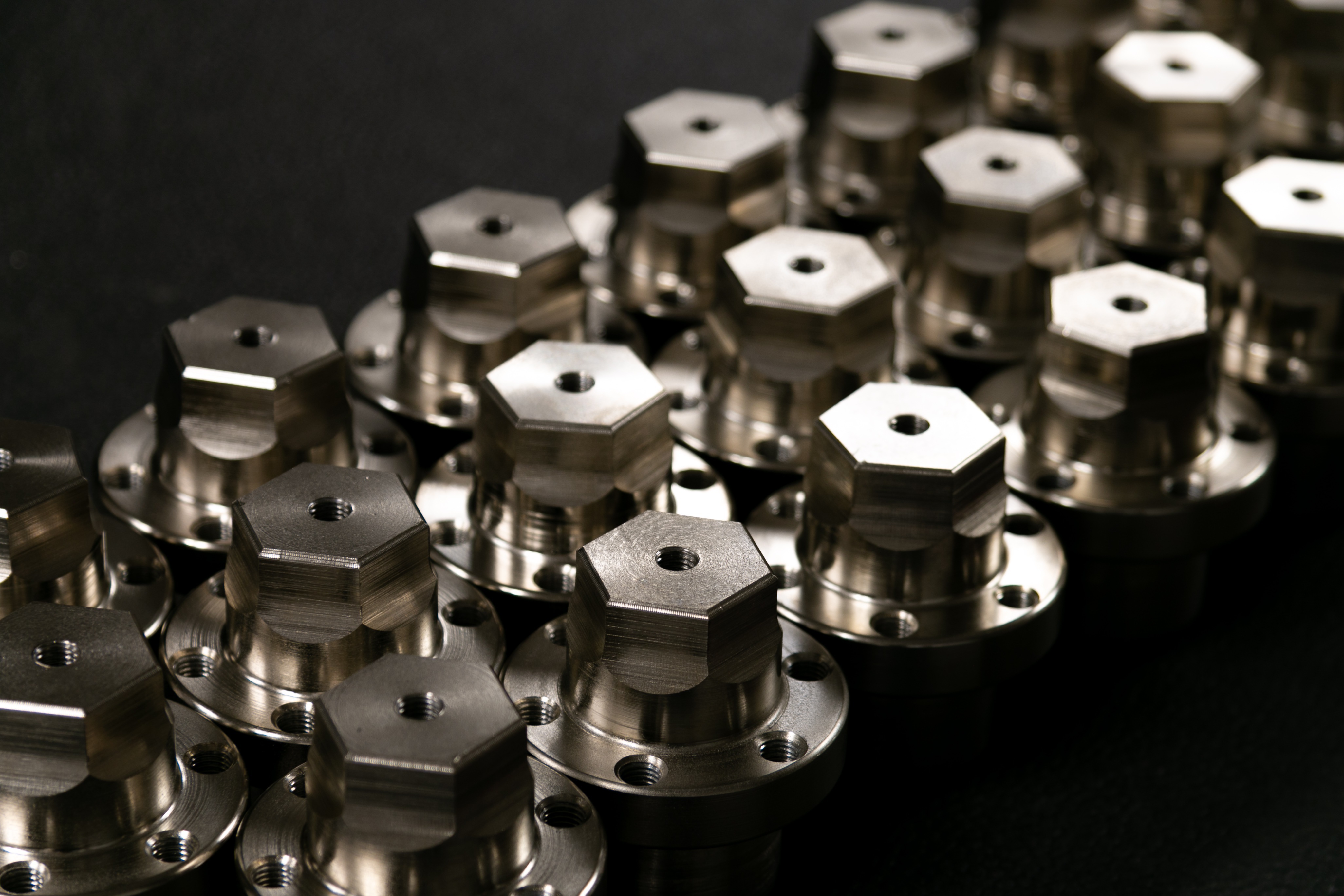
XRF Technology
A high-tech enterprise focusing on the development and application of X-ray technology products, committed to becoming a leading supplier of X-ray industrial testing solutions.
XRF Metal Analyzer – The Ultimate Guide
What Is XRF Metal Analyzer and Why Does It Matter?
Nowdays, XRF metal analyzer has become an essential topic for professionals across industries ranging from manufacturing to quality control. Whether you are evaluating raw materials at a mining site or verifying alloy compositions in a fabrication shop, understanding the capabilities and applications of XRF metal analyzer is critical. This guide provides a comprehensive overview of how XRF metal analyzer works, its real-world uses, and what to consider when selecting the right solution for your needs. As industries tighten their quality standards and regulatory requirements, accurate and efficient metal analysis is no longer optional — it is a necessity.

Real shot of precision metal parts
How XRF Metal Analyzer Technology Works
XRF Metal Analyzer instruments rely on advanced analytical techniques to determine the elemental composition of metal samples. Most modern devices use X-ray fluorescence (XRF) or similar non-destructive testing methods to deliver rapid and accurate results. By exposing a sample to X-rays, the instrument measures the fluorescent X-rays emitted by the sample's atoms, which are unique to each element. This allows the device to quantify the concentration of multiple elements simultaneously, often within seconds. Some advanced models also incorporate complementary technologies such as optical emission spectrometry or laser-induced breakdown spectroscopy to enhance precision across a wider range of alloys and concentration levels.
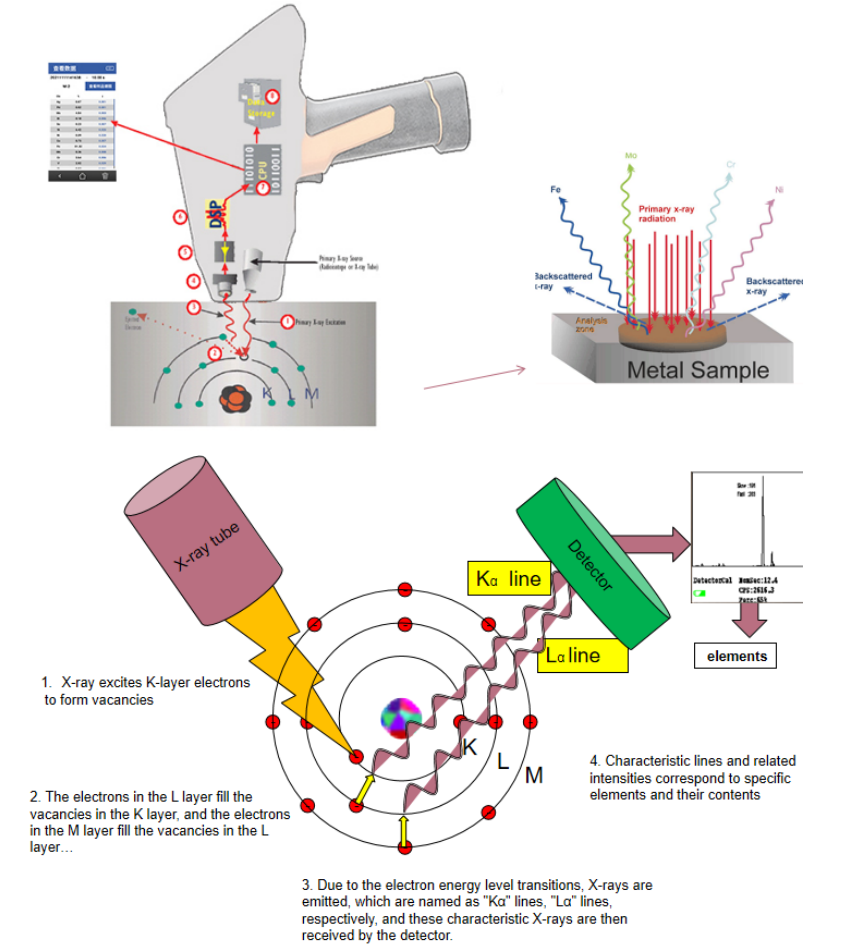
A technical illustration for the Terras XRF Analyzer
Key Features of Professional XRF Metal Analyzer Instruments
Professional-grade XRF metal analyzer instruments typically offer a combination of features that make them suitable for demanding environments. Portability is a key consideration — handheld devices allow inspectors to bring the analyzer directly to the sample, eliminating the need to transport materials to a fixed laboratory. Speed is another critical factor: modern analyzers can deliver results in 1 to 60 seconds depending on the analytical mode. Detection limits have also improved dramatically, with many instruments now capable of identifying trace elements at sub-part-per-million levels. Connectivity features such as Wi-Fi, Bluetooth, and USB interfaces enable seamless data transfer and integration with enterprise resource planning systems. Furthermore, ruggedized enclosures with IP65 or higher ratings ensure reliable operation in harsh field conditions.
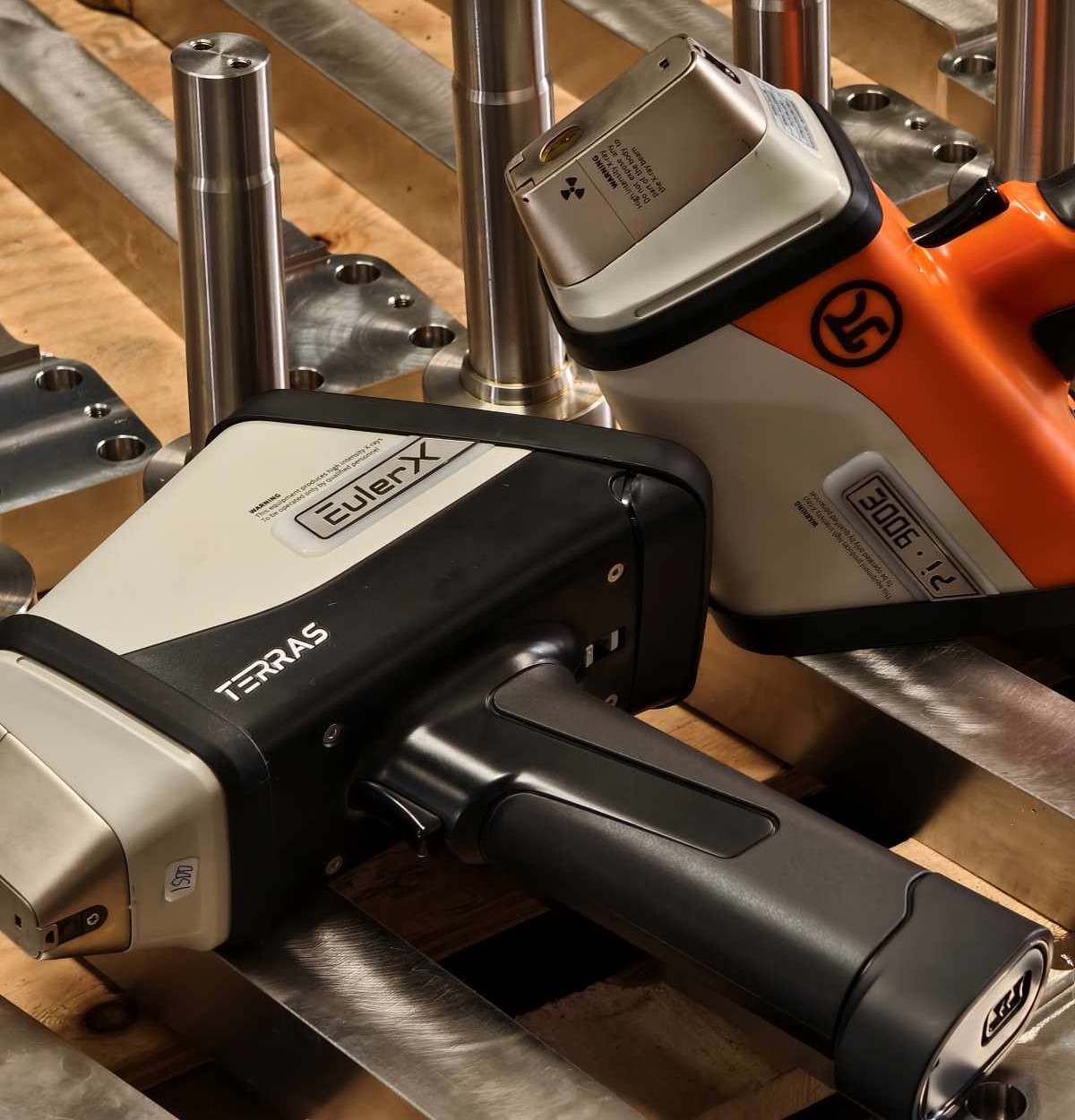
Terras Handheld Alloy Analyzer — EulerX and Pi900E
Real-World Applications: Who Uses XRF Metal Analyzer?
Safety is built in: the device automatically shuts off the X-ray tube when no sample is present, with password-protected user controls and a backscatter shield for operator protection.
Industries that rely heavily on XRF metal analyzer span the full metal supply chain. In aerospace and automotive manufacturing, precise alloy verification is mandatory to meet stringent safety standards and prevent costly rework. Scrap metal recyclers use these instruments to sort mixed alloy streams and ensure accurate pricing based on composition. Petrochemical and refinery operations employ XRF metal analyzer tools to monitor corrosion and alloy integrity in piping and vessel components. Mining and exploration companies utilize portable analyzers for on-site geochemical surveys and ore grade assessment. Quality assurance laboratories depend on benchtop instruments for high-precision compositional analysis of incoming materials and finished products alike.
How to Choose the Right XRF Metal Analyzer for Your Business
Selecting the appropriate XRF metal analyzer solution requires careful evaluation of your specific application requirements. Begin by defining the range of elements and concentration levels you need to measure, as different instruments excel in different domains. Consider whether a handheld device will suffice for field use or whether a benchtop system is necessary for higher precision in a controlled environment. Budget constraints should also factor in ongoing costs such as calibration standards, consumables, and maintenance agreements. Finally, evaluate the vendor's support infrastructure — a reliable supplier with responsive technical support can significantly reduce downtime and ensure your team stays proficient with the instrument.
In the metals and alloys sector, handheld XRF is widely used for alloy grade identification and positive material identification (PMI). It enables fast, non-destructive quantitative analysis of elemental composition, covering stainless steels, nickel/cobalt-based superalloys, titanium, copper alloys, and aluminum alloys. Instruments are equipped with built-in databases of over 1,600 alloy grades for automatic matching.
Key applications include:
Scrap metal recycling – sorting alloys like 304 vs. 316 stainless steel (by detecting Mo) and separating aluminum series.(e.g., 3003 from 3004 by Mg content)
Manufacturing & fabrication – verifying incoming raw materials, in-process QA/QC, and inspecting finished products.
Welding inspection – checking base metal and filler materials before welding, and verifying weld composition after welding.
Coating thickness measurement – analyzing alloy coatings and determining layer thickness via XRF signal intensity.
Alloy powder analysis – quality control of raw material powders and distinguishing different grades.
Modern handheld XRF analyzers can now also sort aluminum and magnesium alloys within seconds using dedicated light-element analysis methods, significantly improving throughput in recycling and fabrication operations.
Maintenance Tips for Long-Term Performance
Proper maintenance of XRF metal analyzer instruments extends their service life and preserves measurement accuracy. Regular calibration using certified reference materials is essential, especially after physical shocks, extreme temperature changes, or prolonged storage. Inspect and clean the measurement window and X-ray tube window periodically, as contamination from dust, oil, or residues can attenuate the signal and skew results. Keep firmware and software up to date to benefit from performance improvements and new analytical features released by the manufacturer. Store handheld devices in protective cases when not in use, and avoid exposing them to temperatures or humidity levels outside the specified operating range.
Industry Trends and the Future of XRF Metal Analyzer
The landscape of XRF metal analyzer technology continues to evolve rapidly. Miniaturization of X-ray sources and detector arrays is enabling smaller, lighter instruments without compromising analytical performance. Advances in artificial intelligence and machine learning are being integrated into data interpretation algorithms, reducing the expertise required to operate sophisticated analyzers and improving the accuracy of complex multi-element determinations. Environmental regulations worldwide are driving demand for faster and more reliable detection of regulated substances such as lead, cadmium, and mercury in consumer products and industrial materials. As these trends converge, professionals who stay current with developments in XRF metal analyzer will be best positioned to leverage new capabilities for competitive advantage.
Final Thoughts
XRF metal analyzer represents a cornerstone capability for any organization involved in metal analysis, quality assurance, or materials verification. Understanding the underlying technology, evaluating key features, and following disciplined maintenance practices will ensure you maximize the value of your investment. As industry demands grow and regulatory landscapes tighten, having a reliable XRF metal analyzer solution in place is not just an operational advantage — it is a strategic imperative.
About Terra Scientific
Terra Scientific is a high-tech manufacturer specializing in the development and application of X-ray technology products. We are committed to becoming a world-class provider of X-ray industrial inspection solutions. Terra Scientific currently offers a range of products to global customers, including handheld alloy analyzer, handheld precious metal analyzer, handheld mining analyzer, benchtop precious metal analyzers, in-line analyzer, and spectrometer modules, along with XRF analyzers. We continuously serve global clients in fields such as mechanical manufacturing, metal processing, aerospace, petrochemicals, mining and geology, food safety, environmental protection, and scientific research. To learn more, please don't hesitate to contact us via email at sales@terra-scientific.com, or visit our website at http://www.terra-scientific.com.
Join Us
Subscribe to our email list for updates & promotions.