 English
 Russian
 French
 Spanish
 Portuguese
 Arabic
 Vietnamese
 Turkish
Mining
A high-tech enterprise focusing on the development and application of X-ray technology products, committed to becoming a leading supplier of X-ray industrial testing solutions.
How Geologists Use a Metal Analyzer Machine for Fast Ore Grade Analysis in the Field
Grade control is the foundation of all profitable mining operation. Whether you are running an open-pit copper mine, an underground gold exploration project, or a bulk commodity iron ore deposit, the difference between profitable and unprofitable tonnes often comes down to one question: do you know the exact composition of your material before it leaves the blast zone?
Traditionally, answering that question meant collecting samples, labelling them, shipping them to a remote laboratory, and waiting days or even weeks for results. In that time, blasting decisions, haulage routing, and stock pile allocation had already been made based on estimates. Nowadays, a metal analyzer machine changes that timeline entirely.
A metal analyzer machine is a portable X-ray fluorescence instrument that delivers quantitative elemental analysis in the field. Modern handheld XRF devices can measure ore samples in five to sixty seconds, providing grade data comparable to laboratory instruments -- without leaving the drill site.
The technology works by irradiating a prepared or freshly fractured rock surface with X-rays from an internal tube source. Each element in the sample emits characteristic secondary X-rays; a silicon drift detector (SDD) measures the count rate at each energy, and built-in fundamental parameters (FP) algorithms convert these counts into concentration values for up to 30 or more elements simultaneously.
For geologists, this means getting laboratory-quality chemistry data while standing next to the drill rig.

Key Mining Applications
Exploration drilling is the most obvious use case. Field geologists can use a metal analyzer machine to screen drill cuttings and chip samples on-site, making immediate decisions about which intervals warrant sending for full laboratory analysis. This targeted approach reduces the number of samples sent to the lab by 30 to 50 percent in many operations, delivering significant cost savings without compromising geological knowledge.
Grade control during mining operations is equally important. At the bench face, a geologist or mining engineer can use the device to verify that blasted material meets cutoff grade before it enters the processing circuit. Material below cutoff grade can be diverted to waste, while higher-grade zones can be preferentially fed to the mill—maximizing metal recovery and minimizing dilution.
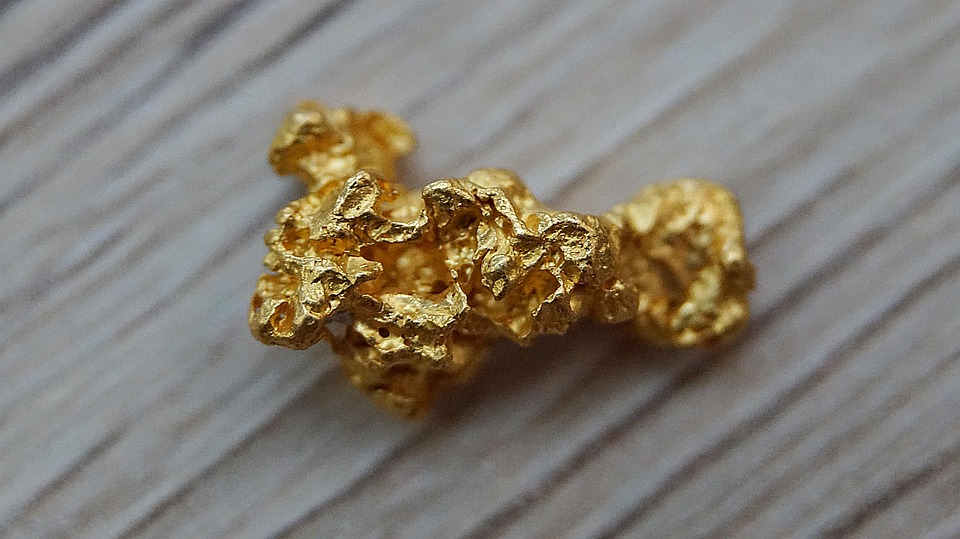
In precious metal operations, particularly gold and silver, handheld XRF is invaluable for identifying nugget effect and sampling bias. Because the device can take readings from multiple points across a sample, geologists gain a more representative picture of grade distribution than they would from a single laboratory assay.

EulerX 500 — Turn Every Touch-Point into a Quality Control Checkpoint
In metal processing and fabrication, waiting for lab results costs time and money. The EulerX 500 handheld XRF analyzer brings laboratory-grade accuracy directly to your workflow — no samples to send, no delays to absorb.
From incoming material inspection to final product verification, the EulerX 500 provides instant alloy grade identification and elemental composition analysis across 28+ elements, including light elements on the EulerX 500S variant. Its advanced fundamental parameters (FP) algorithm and smart multi-position filter design ensure measurement quality you can trust, in 1–2 seconds flat.
The analyzer is built for portability and endurance. At 1.5 kg with a balanced, ergonomic grip, it’s comfortable for extended handheld use. The 10–12 hour battery life means it keeps pace with full shifts without recharging. An optional integrated CCD camera lets operators document measurement points on the spot, while WiFi and USB data transfer make reporting seamless.
Ruggedness is a core feature, not an afterthought: IP54-rated against dust and water, -10℃ to 50℃ operating range, and an anti-puncture window design that protects the detector in demanding conditions.
Available accessories — including a benchtop test stand, portable test stand, heat jackets for extreme environments, and a Bluetooth printer — let you configure the EulerX 500 for any scenario, from field sorting to precision quality control.
If accuracy, speed, and portability define your metal analysis needs, the EulerX 500 is built for you.

Field Portability: Why It Matters in Mining Environments
Mining environments are harsh. Devices must operate reliably in dusty conditions, high temperatures, and high humidity. Look for instruments rated to IP54 or higher for dust and water protection. Wide operating temperature ranges — ideally -10℃ to +50℃ which can ensure performance in both Arctic and tropical mining jurisdictions.
Weight is a critical consideration for field geologists who may carry the instrument for an entire shift across rough terrain. The best field-portable units weigh under 1.5 kg, allowing one-handed operation without fatigue.
Battery performance determines whether the device can last a full shift. Ten or more hours of continuous use from a single charge eliminates the need to carry spare batteries into remote field locations.
Connectivity and Data Management
Modern mining operations generate vast quantities of geochemical data. A metal analyzer machine with built-in WiFi or Bluetooth enables seamless data transfer to a central geological database, eliminating manual transcription errors and enabling real-time visualization of grade distributions on mine planning software.
Some advanced instruments offer GPS-tagging of each measurement, building a spatial geochemical map as the geologist moves through the deposit. This spatial data is invaluable for updating block models and guiding subsequent drilling programs.
Regulatory and Reporting Considerations
Many mining jurisdictions now require documented geochemical data for resource estimation and environmental compliance reporting. A metal analyzer machine that produces exportable measurement records with timestamps meets this requirement, providing the audit trail that regulators and independent geologists need to verify resource statements.
For exploration and mining teams seeking to improve grade control, reduce laboratory costs, and make faster decisions at the rock face, a metal analyzer machine is a transformative tool. By bringing elemental analysis out of the laboratory and into the field, it compresses the decision timeline and puts better information in the hands of the people who need it most.
Terra Scientific's range of portable XRF analyzers is trusted by mining companies and exploration contractors worldwide. Contact us at sales@terra-scientific.com to discuss your specific mining or exploration requirements.
About Terra Scientific
Terra Scientific is a high-tech manufacturer specializing in the development and application of X-ray technology products. We are committed to becoming a world-class provider of X-ray industrial inspection solutions. Terra Scientific currently offers a range of products to global customers, including handheld alloy analyzer, handheld precious metal analyzer, handheld mining analyzer, benchtop precious metal analyzers, in-line analyzer, and spectrometer modules, along with XRF analyzers. We continuously serve global clients in fields such as mechanical manufacturing, metal processing, aerospace, petrochemicals, mining and geology, food safety, environmental protection, and scientific research. To learn more, please don't hesitate to contact us via email at sales@terra-scientific.com, or visit our website at http://www.terra-scientific.com
Join Us
Subscribe to our email list for updates & promotions.