 English
 Russian
 French
 Spanish
 Portuguese
 Arabic
 Vietnamese
 Turkish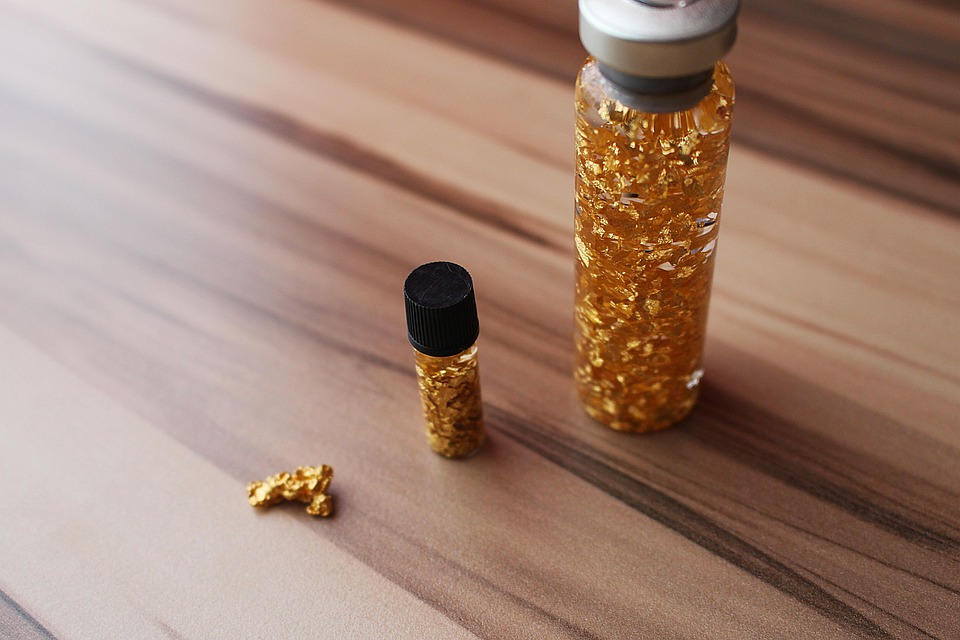

Gold and Jewelry
A high-tech enterprise focusing on the development and application of X-ray technology products, committed to becoming a leading supplier of X-ray industrial testing solutions.
For Beginners: What Are Portable XRF Analyzers? A Beginner's Guide to Elemental Analysis
Have you ever wondered how scientists can tell what an ancient coin is made of without damaging it, or how a scrap yard instantly sorts different types of metal, or how an environmental team quickly tests soil for lead? The answer often lies in a powerful, handheld tool that seems like something from science fiction: the portable XRF analyzer.
If the term "XRF" sounds intimidating, don't worry. This guide will break down exactly what these devices are, how they work, and why they’re revolutionizing fields from archaeology to manufacturing. Let’s dive in.
XRF Explained: It's All About Energy
First, let's decode the acronym: XRF stands for X-ray Fluorescence.
It’s a mouthful, but the concept is based on a natural process. Here’s the simple version:
Every element (like gold, iron, lead, or titanium) has its own unique atomic "fingerprint."
The portable XRF analyzer uses a safe, tiny X-ray source to excite the atoms in a sample.
These excited atoms then emit back (or fluoresce) a unique set of secondary X-rays.
The analyzer's detector "catches" these fluorescent X-rays and its software instantly decodes the unique fingerprint.
The result? The device tells you not only which elements are present in the sample, but also in what quantities (usually as a percentage or parts per million).
Think of it like tuning a radio. The XRF analyzer scans through all the "noise" of energy coming from the sample and locks onto the specific "stations" (or energy levels) that correspond to specific elements.

Why "Portable" is a Game-Changer
Traditionally, elemental analysis meant collecting a sample, sending it to a distant laboratory, waiting days or weeks for results, and paying a significant fee per sample. Portable XRF analyzers changed everything by bringing the lab to the sample.
On-the-Spot Results: Get answers in seconds, enabling immediate decision-making.
Non-Destructive Testing: In most cases, you can analyze an object without scratching, drilling, or destroying it—perfect for artifacts, finished goods, or valuable items.
Infinite Applications: Because it’s handheld, you can use it in a mine shaft, on a factory floor, at a recycling yard, in a museum archive, or out in a field.
What Can You Actually Use It For? (Spoiler: Almost Everything)
The versatility of portable XRF is staggering. Here are just a few key applications:
Metals & Manufacturing: Alloy grade identification is the most common use. Is that pipe 304 or 316 stainless steel? Is this scrap item valuable titanium or common aluminum? XRF gives the instant answer, crucial for quality control and material verification.
Mining & Exploration: Geologists use it for real-time ore grading and prospecting. It helps find mineral deposits and decide where to dig, saving immense time and money.
Scrap Metal Recycling: The fastest way to sort and price mixed metals accurately, ensuring you get maximum value and don't accidentally mix in contaminated materials.
Environmental Monitoring: Quickly screen soil, sediment, or water filters for toxic elements like lead, arsenic, cadmium, and mercury to identify contaminated sites and ensure safety.
Art & Archaeology: Authenticate artifacts, analyze historical pigments in paintings, and understand ancient manufacturing techniques—all without a single scratch.
Consumer Goods Safety: Test toys, jewelry, electronics, and imports for compliance with safety regulations (like lead or cadmium restrictions).
What a Portable XRF Analyzer Can't Do
It's a powerful tool, but it has limits. Understanding these is key:
It Can't Detect Very Light Elements: It typically cannot measure elements lighter than magnesium (like carbon, hydrogen, oxygen, nitrogen). So, you can't analyze plastics, water, or organic compounds for their main components.
It's a Surface Analysis: It analyzes only the very top surface (a few micrometers deep). A coated or corroded surface can give misleading results about the bulk material.
It Requires Proper Use: For accurate results, the sample must be prepared correctly (e.g., a flat, clean surface) and the user must be trained. It's a scientific instrument, not a magic wand.
Getting Started: What to Expect When Using One
Using a modern portable XRF is designed to be intuitive.
Aim: Point the safe, gun-shaped device at your sample.
Pull the Trigger: This initiates the test. You'll hear a slight whirring or feel a gentle vibration.
Wait & Read: A clear, elemental breakdown appears on the rugged touchscreen.
Advanced models come with pre-calibrated modes for specific applications (e.g., "Soil Mode," "Alloy Mode," "Mining Mode") to make operation even simpler.
The Pi900E Portable Precious Metal Analyzer employs X-ray fluorescence technology for rapid and precise detection of gold, silver, platinum, palladium, and other precious metals. Compact and user-friendly, it delivers instant composition analysis with wireless data transfer, making it ideal for jewelry appraisal, precious metal trading, and on-site inspection.
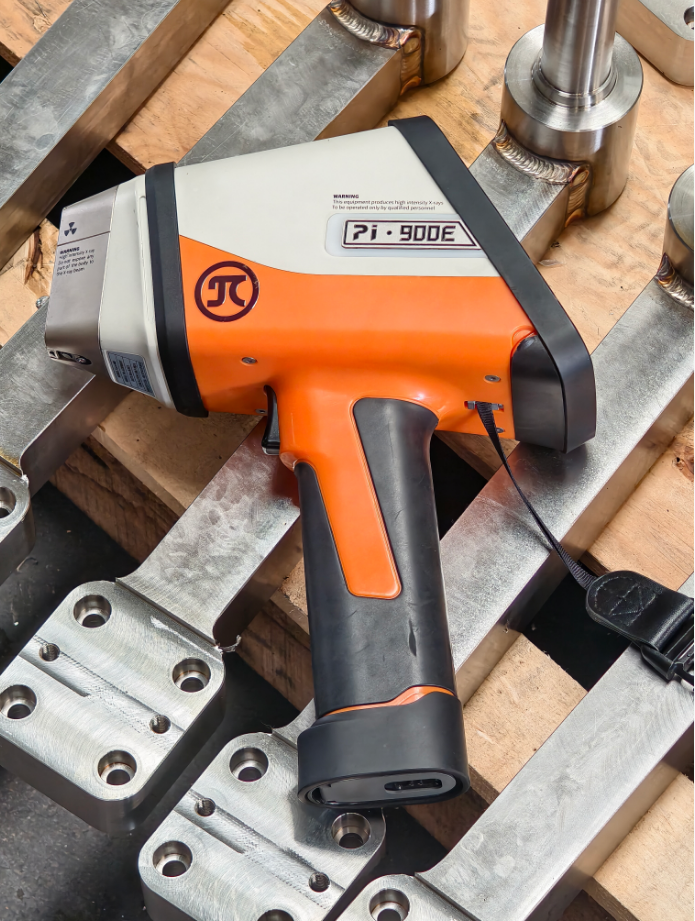
Terras Pi900E Handheld Precious Metal Analyzer
Conclusion: The Power in Your Hand
A portable XRF analyzer is essentially a portable elemental laboratory. It democratizes the ability to understand the fundamental chemical composition of the world around us, turning guesswork into immediate, data-driven knowledge.
Whether you’re ensuring the safety of a product, discovering valuable resources, preserving history, or simply sorting materials more efficiently, this technology provides a window into the atomic makeup of matter that was once only available to scientists in well-funded labs.
For anyone involved in industries where "what it's made of" matters, understanding portable XRF is no longer just for experts—it's essential beginner knowledge for the modern world.
About Terra Scientific
Terra Scientific is a high-tech manufacturer specializing in the development and application of X-ray technology products. We are committed to becoming a world-class provider of X-ray industrial inspection solutions. Terra Scientific currently offers a range of products to global customers, including handheld alloy analyzer, handheld precious metal analyzer, handheld mining analyzer, benchtop precious metal analyzers, in-line analyzer, and spectrometer modules, along with XRF analyzers. We continuously serve global clients in fields such as mechanical manufacturing, metal processing, aerospace, petrochemicals, mining and geology, food safety, environmental protection, and scientific research.
To learn more, please don't hesitate to contact us via email at sales@terra-scientific.com, or visit our website at http://www.terra-scientific.com
Join Us
Subscribe to our email list for updates & promotions.